


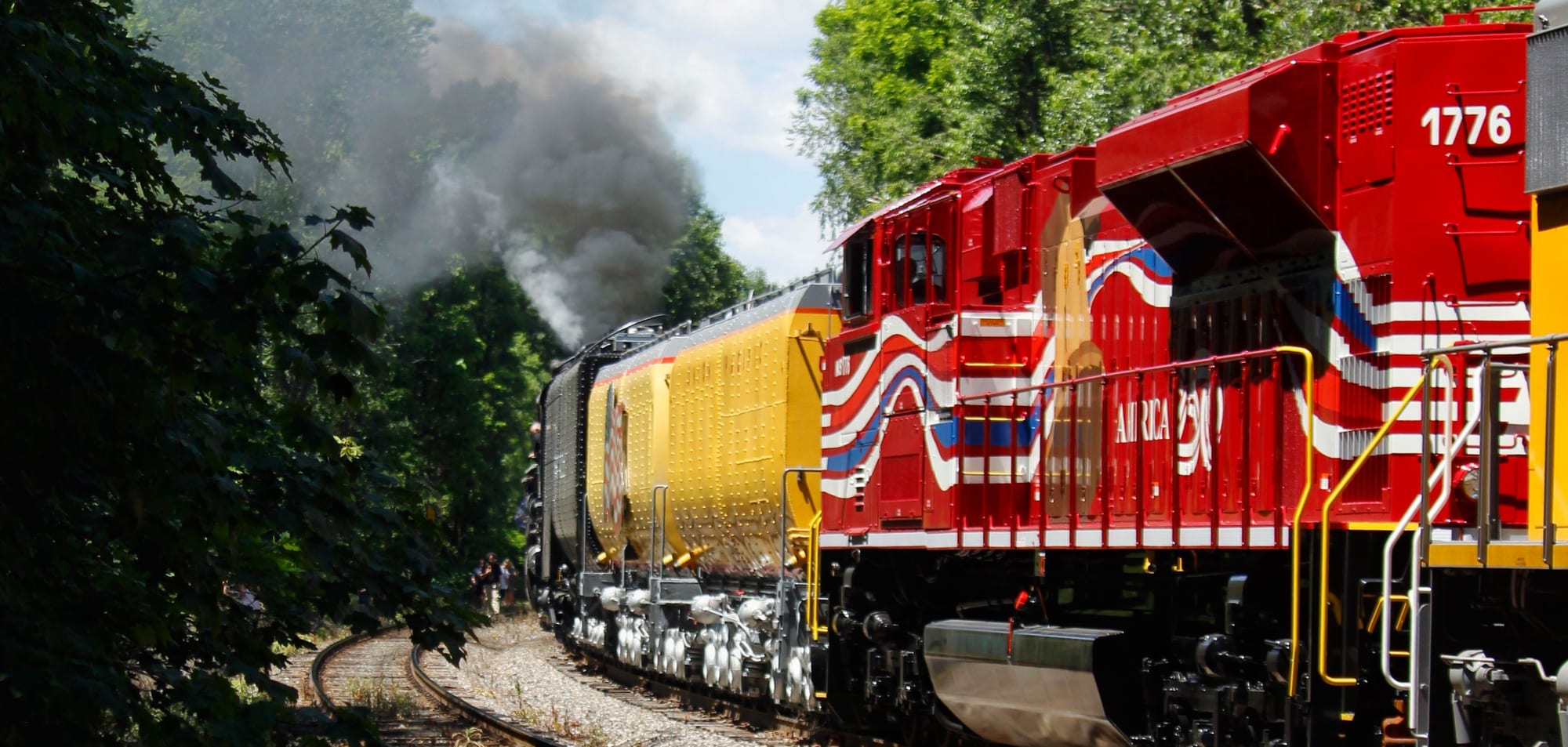
What it found.
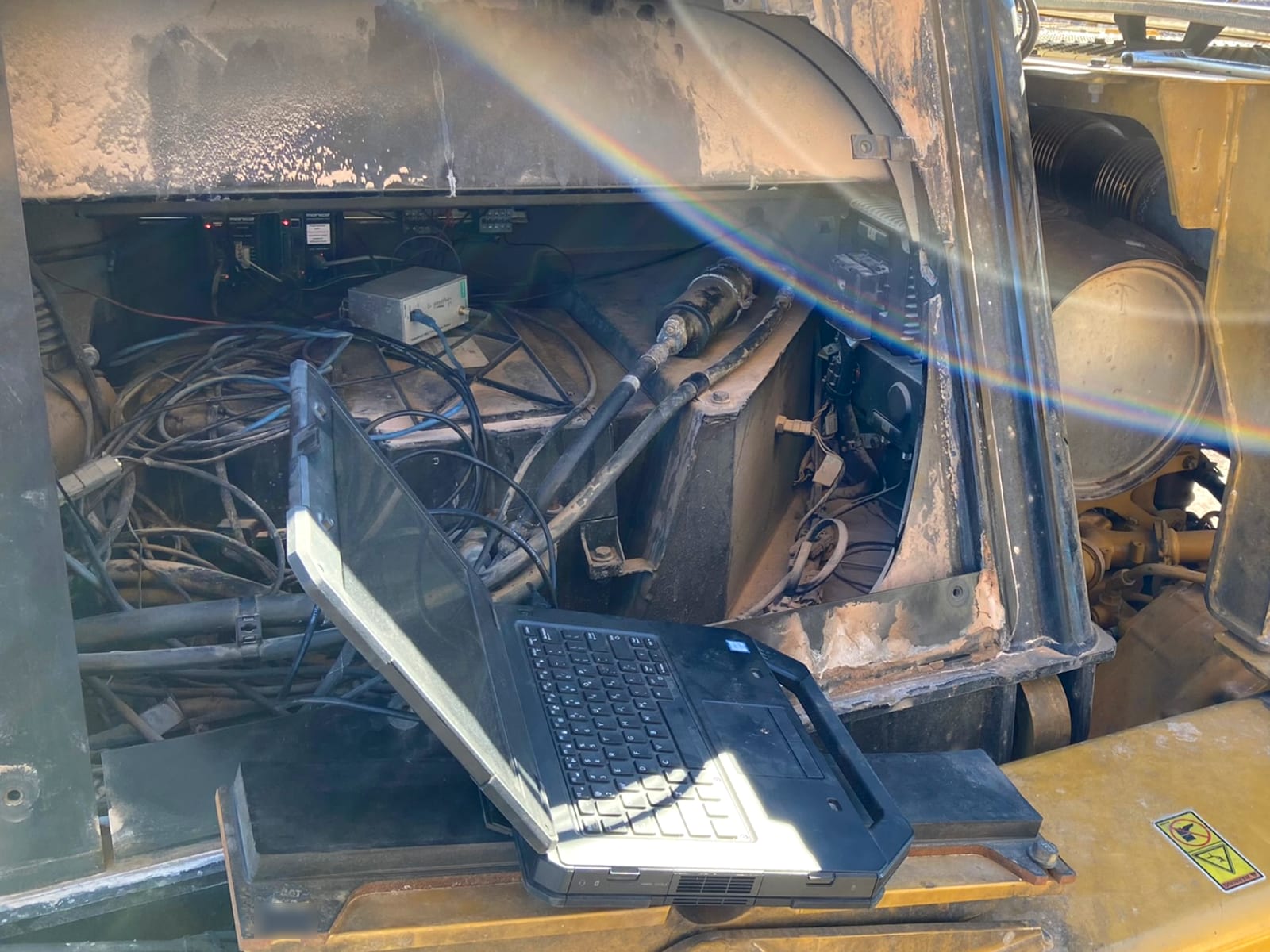
Every case study shares one fact: zero OEM fault codes were present at the time of testing. The engines were running. They were also wasting fuel. Each manual test is taken after fault codes are cleared, so zero fault codes present is operator-attested across the entire set.
What is in the Revealiency case record?
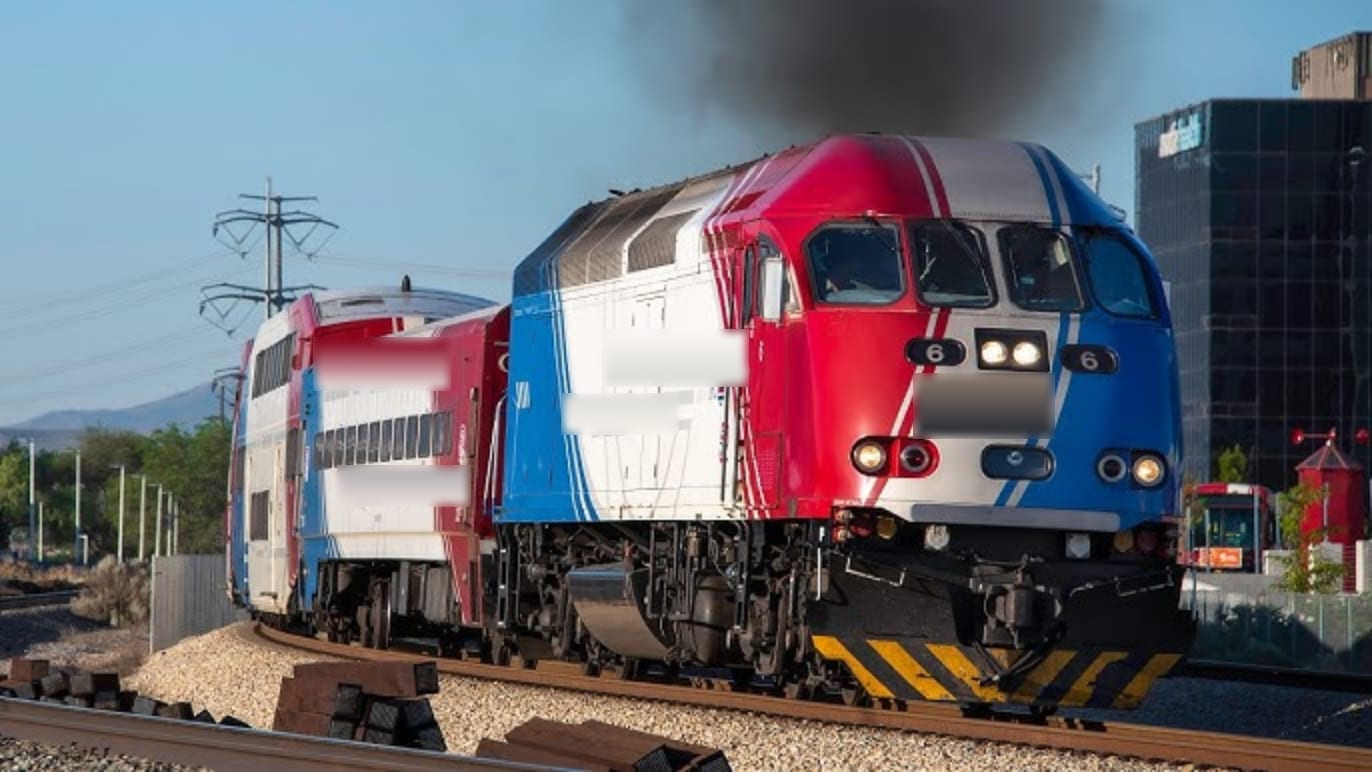
The case record documents real Emissions-Based Maintenance work across open-pit mining, passenger rail, and industrial minerals, alongside the eight-year field record the method was built on. Every figure is case-scoped to its own deployment, reported gross, not realized, and never blended into a portfolio total. Fuel recovery is framed as a 5 to 7% target band, never an average and never guaranteed.
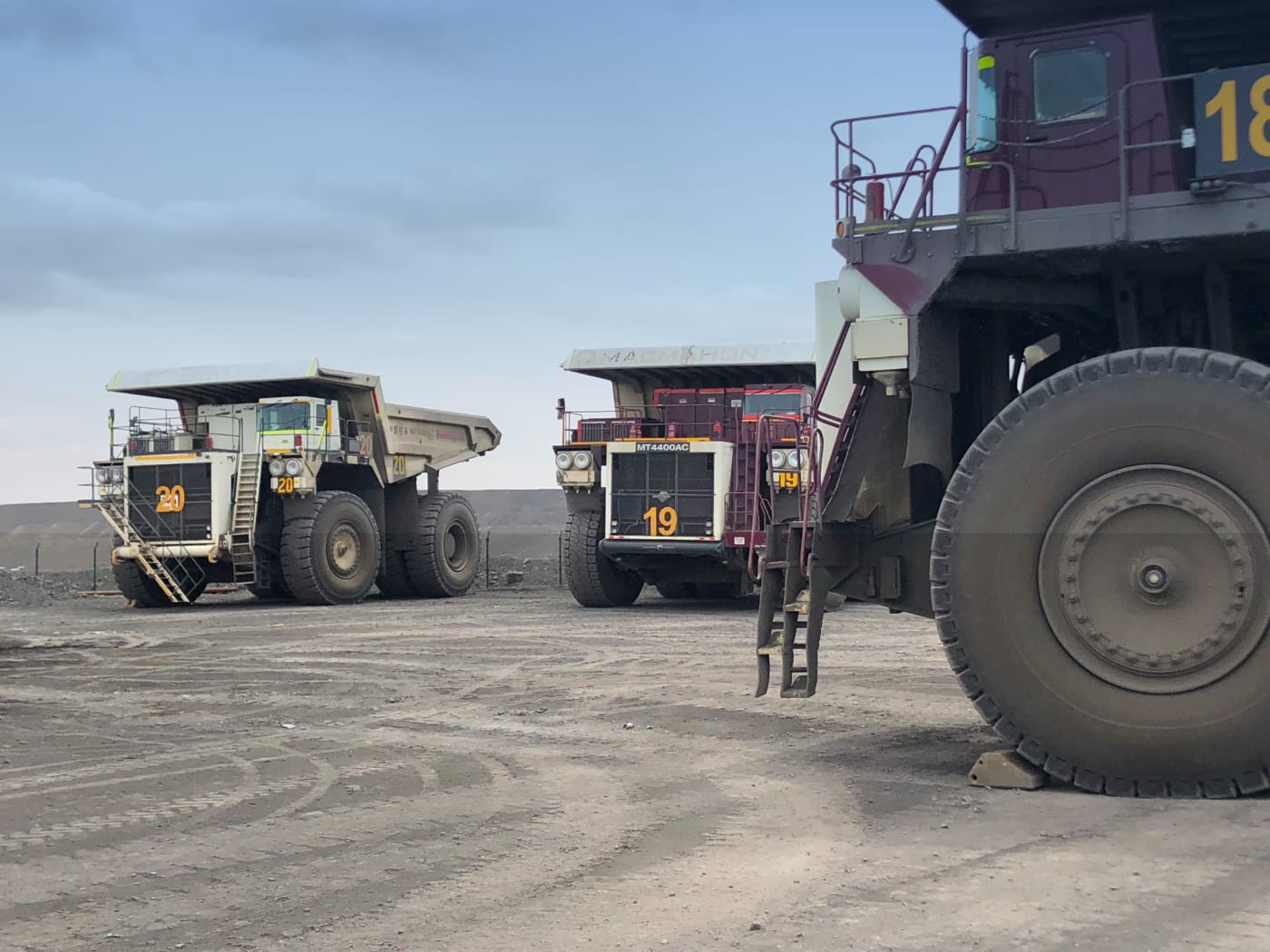
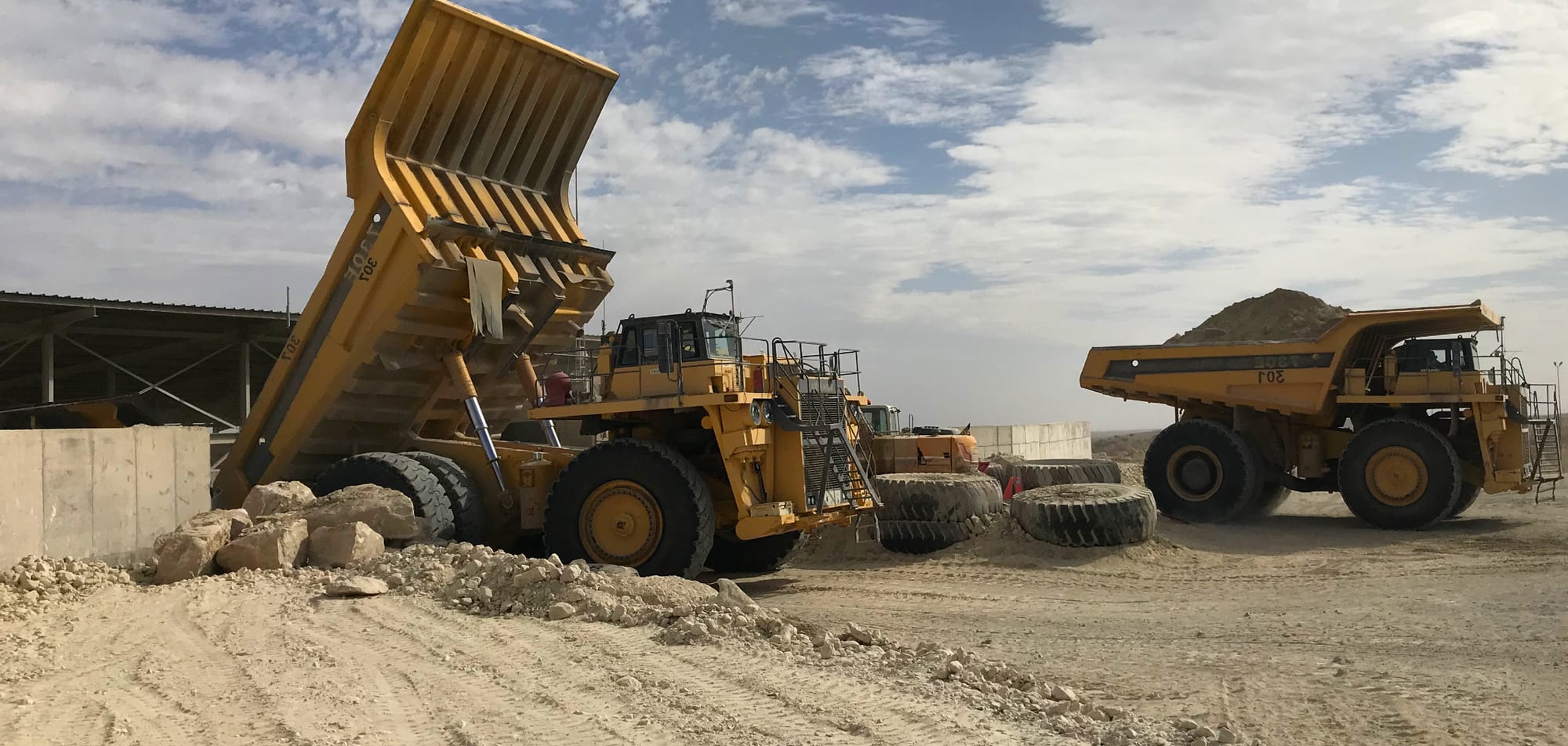
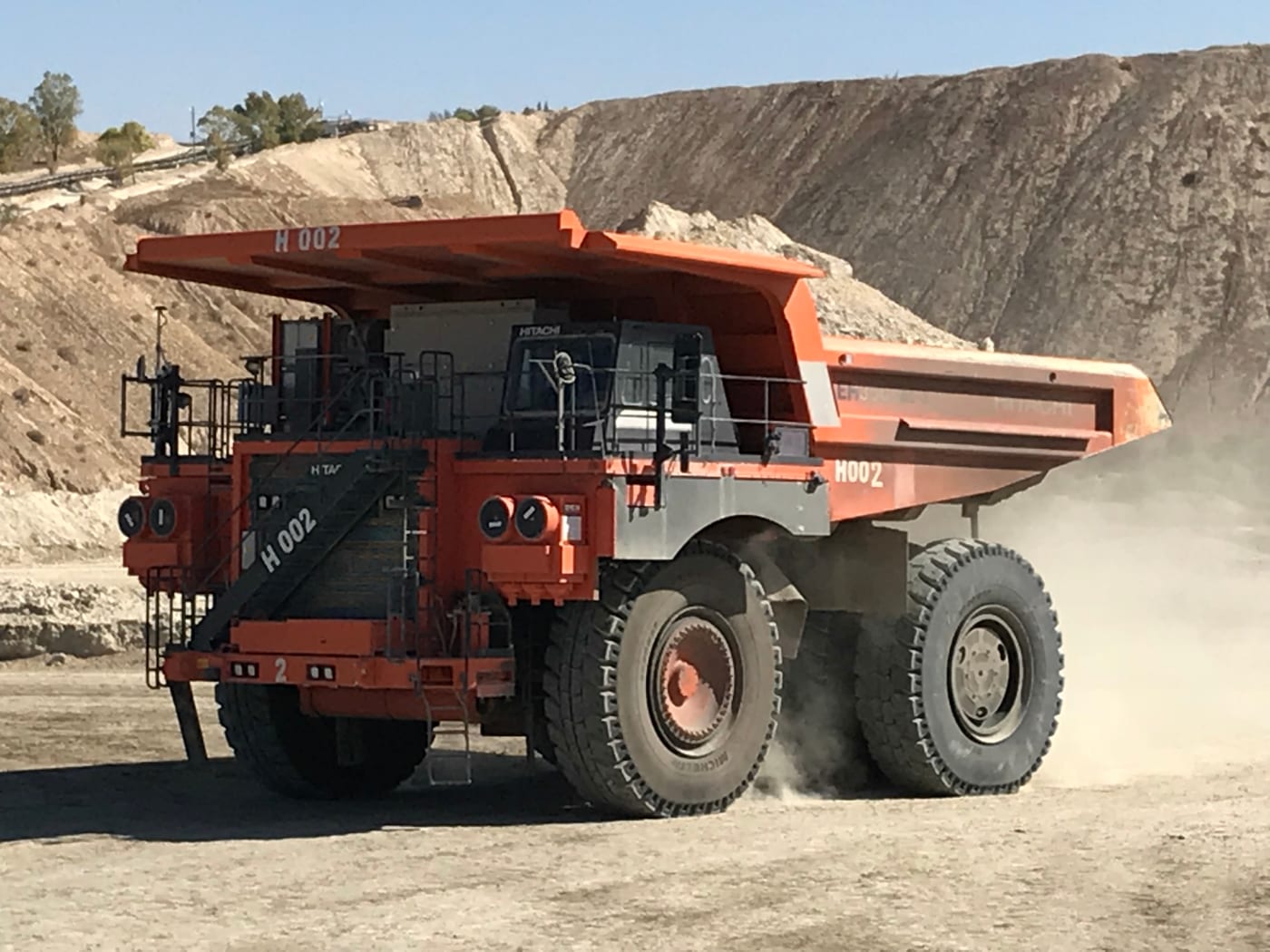
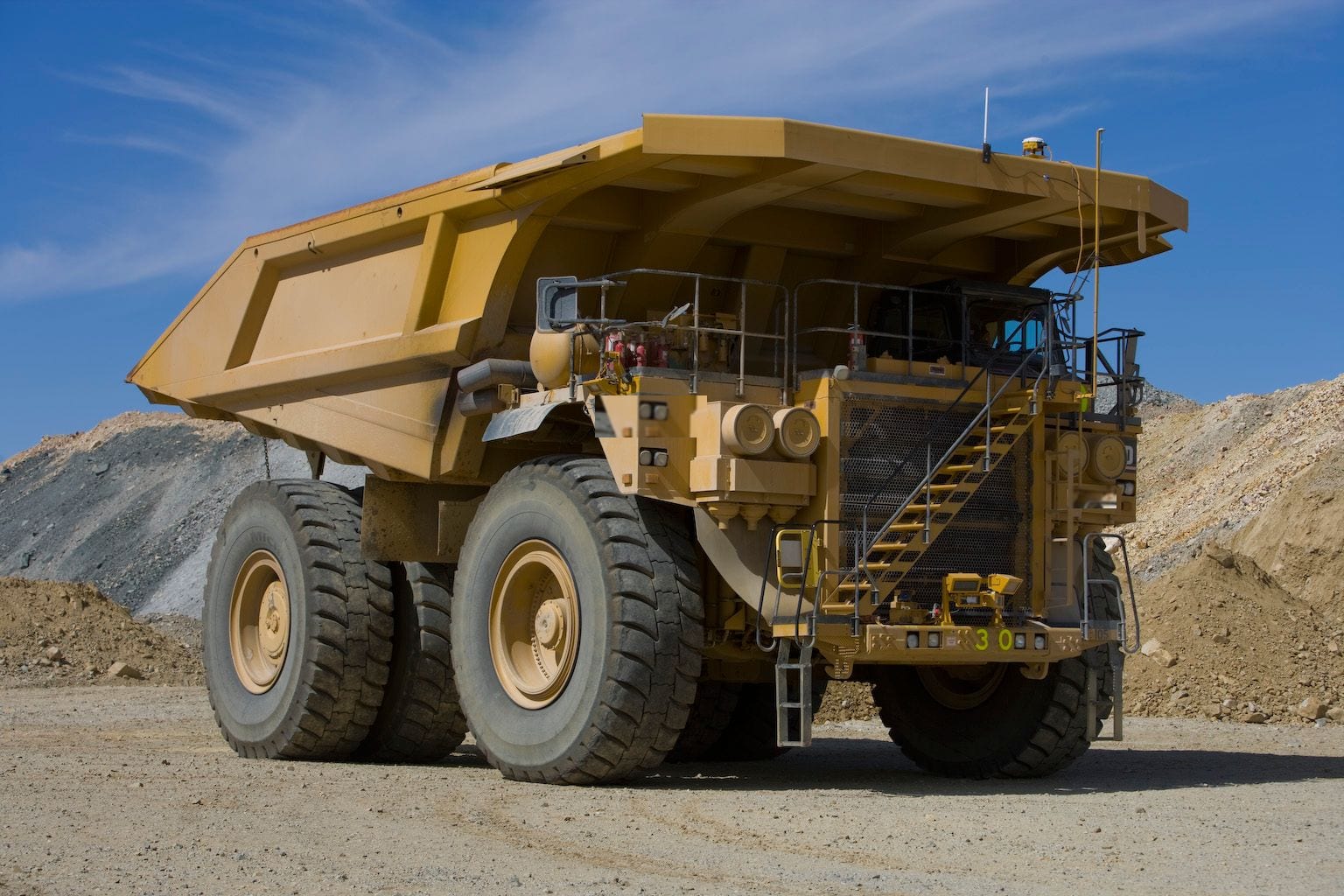
A pilot across five 60 to 70L Tier 2 engines in ultra-class haul trucks. EBM™ for mining
Reading the case studies, answered.
Real Emissions-Based Maintenance™ deployments, reporting identified opportunity gross, not realized. Every figure is case-scoped to that deployment and never blended into a portfolio total.
The origin of the method: 76 vehicles over eight years of field work from 2011 to 2019, with 1,300+ tests on large-bore engine platforms spanning 150 to 3,000+ HP. It carries no dollar figures and no percentages by design; it is the methodology-validation evidence, with methods filed to SAE.
Every figure is identified opportunity, reported gross, not realized, and scoped to its own deployment. Fuel recovery is framed as a 5 to 7% target band, never an average and never guaranteed. Verified entries are labeled verified.
© 2026 Emissions-Based Maintenance LLC, d/b/a Revealiency. All rights reserved.