



What is emissions-based maintenance™?
A diesel engine tells you how efficiently it is burning fuel every second it runs. It tells you through its exhaust. EBM™ is the method that listens.
Emissions-Based Maintenance™ is a method that reads a diesel engine's exhaust chemistry as a signal of combustion efficiency, compares it against the engine's own EPA-certified baseline, and quantifies the gap as recoverable fuel. It finds drift and recommends the repair before an OEM fault code ever appears.
Is there a typical fuel-savings number?
There is no common or average fleet. We typically uncover a systemic fleet issue that is significantly increasing fuel consumption. Fleets have different operating conditions and duty cycles, so it is impossible to know until the engine is examined.
Proven by hand
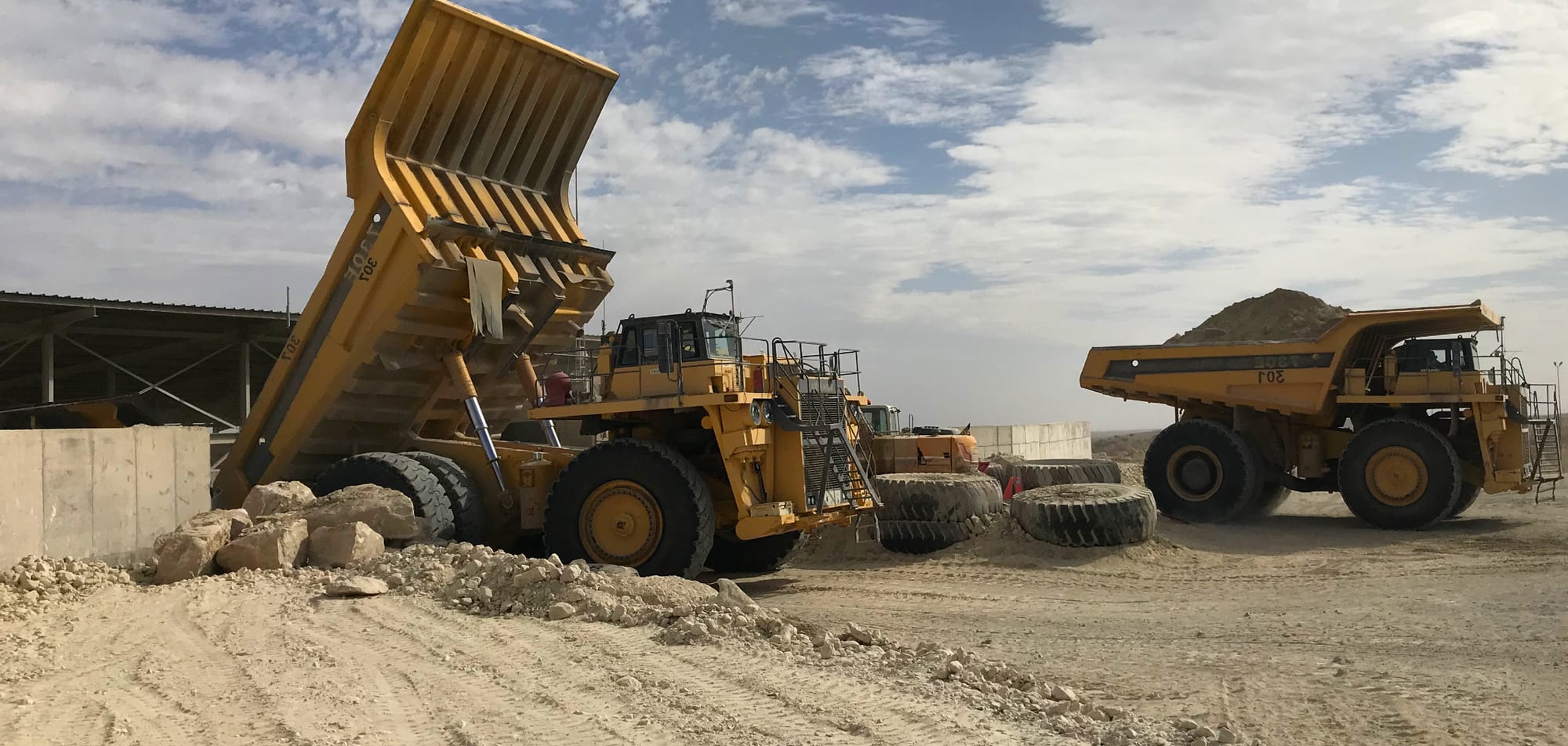
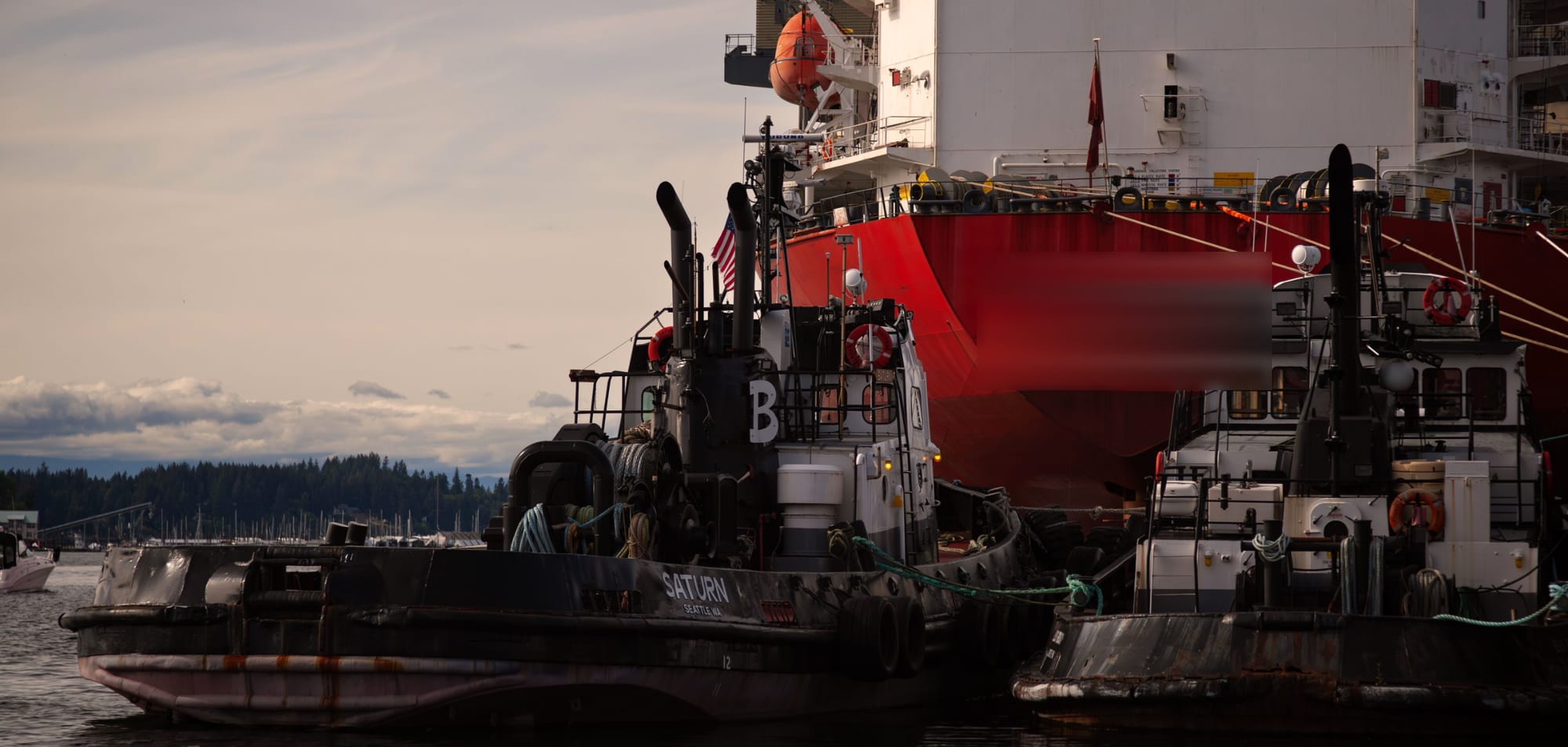
A master technician, a probe at the stack, engine by engine. Thousands of tests across mining and heavy fleets on three continents, each one comparing a running engine to what its manufacturer certified it to do.
Delivered autonomously
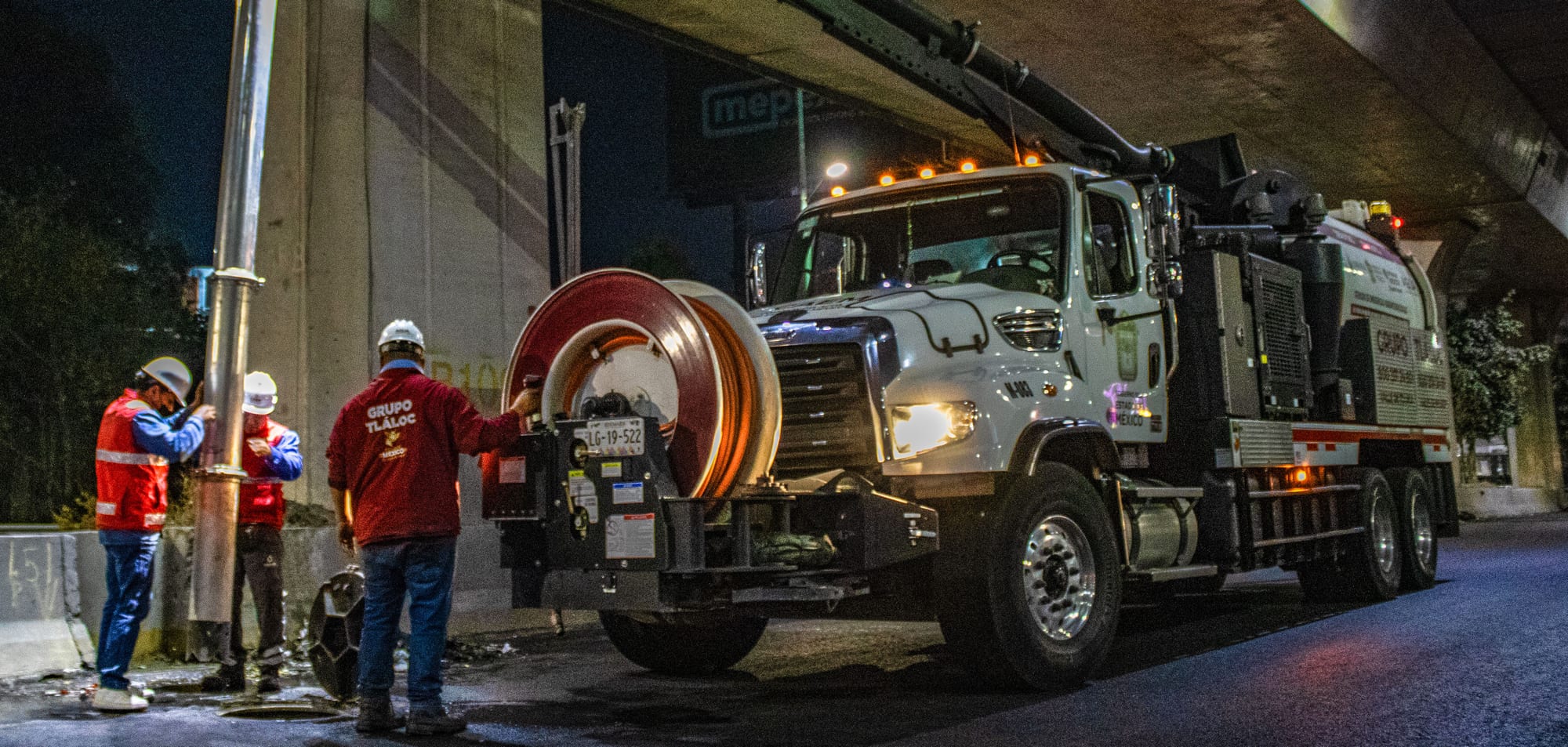
Telematics carries it now. On a connected fleet the tests arrive on their own, every time an engine works hard, with no one climbing anything. The method did not change. The delivery did.
Emissions-based maintenance™, answered
Revealiency™ is the master brand behind Emissions-Based Maintenance™ (EBM™), a patented method and platform that reads raw diesel exhaust, builds an emissions profile, and analyzes it against a certified baseline to produce plain maintenance recommendations mechanics can follow using OEM service guidelines.
That is exactly where EBM™ works. Efficiency drift shows in exhaust chemistry well before an OEM fault code triggers, so an engine can waste fuel while every dashboard light stays dark. EBM™ identifies that drift and recommends the correction early.
Revealiency™ frames fuel recovery as a conservative 5 to 7% target band, never an average and never guaranteed. Every fleet has different operating conditions and duty cycles, so the real number is confirmed on your actual engines.
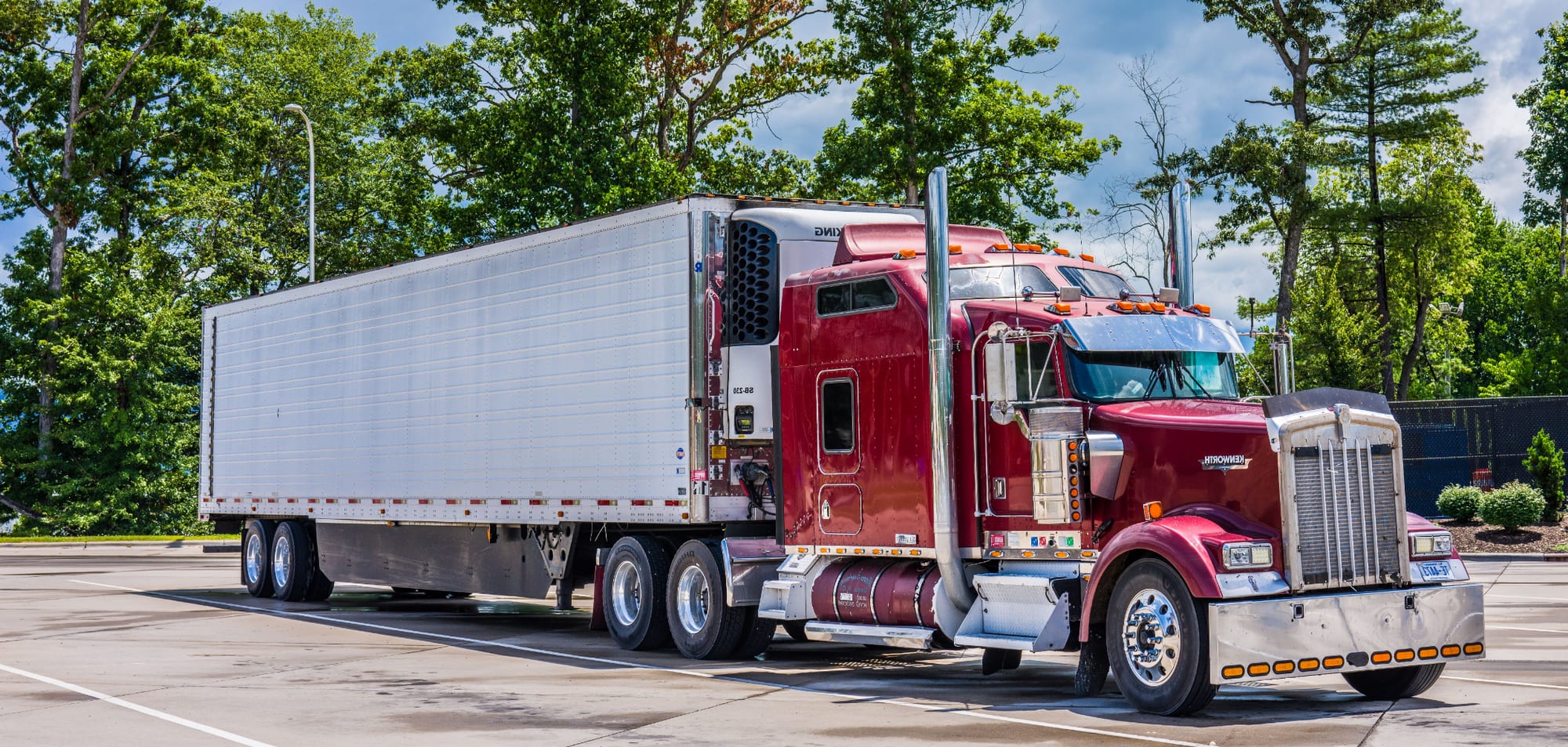
EBM™ is OEM-agnostic. Its baselines are calibrated against 32,000+ EPA-certified engines from 200+ manufacturers, spanning model years 1996 to 2027 across EPA Tier 2 through Tier 4. Validated across five major diesel engine makes, roughly 150 HP to 3,000+ HP.
The EBM™ platform runs at ebmpros.com, where maintenance teams submit tests, read a live fleet picture, and drive the repair workflow. Revealiency™.com is the authority hub for the science, the research, and the case studies.
Revealiency™ is Emissions-Based Maintenance LLC, doing business as Revealiency™, founded by Steve 'Skinner' Forbush and his son Jer Forbush. The method is protected by patents granted in the United States and India. The company
No. Compliance testing asks whether an engine is within legal limits. EBM™ reads raw exhaust combustion chemistry to find fuel that is being wasted.
Yes. Readings can come from a handheld emissions probe taken in the shop, or from telematics the fleet already runs, configured to feed the EBM™ API. Neither path requires new hardware on the engine, so a fleet with no telematics can still be diagnosed manually.
© 2026 Emissions-Based Maintenance LLC, d/b/a Revealiency. All rights reserved.