

Why is my diesel engine burning more fuel when there is no fault code?
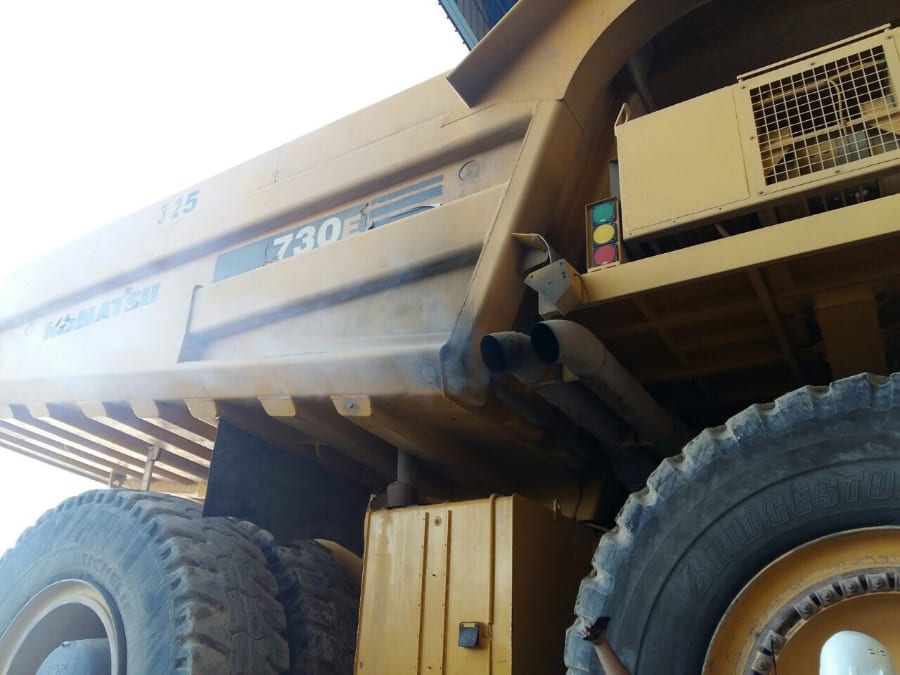
Because a fault code only fires when a sensor reading crosses a limit the manufacturer set, and an engine can waste fuel for months without crossing one. Worn injectors, a restricted air intake, a calibration that has drifted, or a turbo that is a little down on boost all make the engine burn more fuel to do the same work. Each stays inside its own alarm limit. The exhaust shows the problem first, because it is the direct result of how well the fuel burned.
What a fault code is built to catch
A fault code protects the engine and the emissions system. It tells you a part has failed or a reading is far out of range. It was never designed to tell you an engine is running a few percent less efficient than the day it was certified. That gap is too small to trip an alarm and large enough to matter on a fuel bill.
Where the extra fuel usually goes
In our field record the common causes are ordinary: fuel delivery that has drifted rich, air that is not getting in cleanly, combustion running cooler or hotter than it should, and one bank of a V engine doing more of the work than the other. None of these is exotic. All of them are things a good technician can fix once someone points at the right engine.
How to find it
Measure the exhaust under load and compare it with what that exact engine was certified to produce. Every engine sold in the United States has a certification record on file with the EPA. If the exhaust says the engine is burning more fuel than its record calls for, the gap is your wasted fuel. That comparison is what emissions-based maintenance does, engine by engine, and it works from a tailpipe probe or from telematics data you may already collect.
Why it matters more when diesel is expensive
Wasted fuel is a fixed share of what the engine burns. When the price per gallon climbs, the same waste costs more every week it goes unfixed. Fleets that find it early put the repair ahead of the next fuel invoice instead of behind it.
Can an engine pass every dash check and still waste fuel?
Yes. In every engine published in our case studies, zero OEM fault codes were present at the time of the test that found the waste.
How much fuel are we talking about?
It varies by engine and duty. Our target band for a fleet is 5 to 7 percent of fuel spend. That is a target, never an average and never a guarantee.
Do I need new hardware on the truck to check?
No. A test can be run with a portable exhaust probe, and fleets with the right telematics signals can be read with no added hardware at all.
Based on 3,000+ diagnostic tests analyzed on the platform.
© 2026 Emissions-Based Maintenance LLC, d/b/a Revealiency. All rights reserved.