

How much fuel does a haul truck use per hour?
Large mining haul trucks burn fuel by the hour, not the mile, and the honest answer is a wide range: depending on truck class, engine, grade, payload, and duty, burn runs from tens of gallons per hour on mid-class trucks to well over a hundred on the largest ultra-class units under load. Your own telematics and OEM literature give the number that matters, which is yours. What every operator shares is the arithmetic: burn rate times operating hours times the price of a gallon, and at 2026 prices that line has never been bigger.
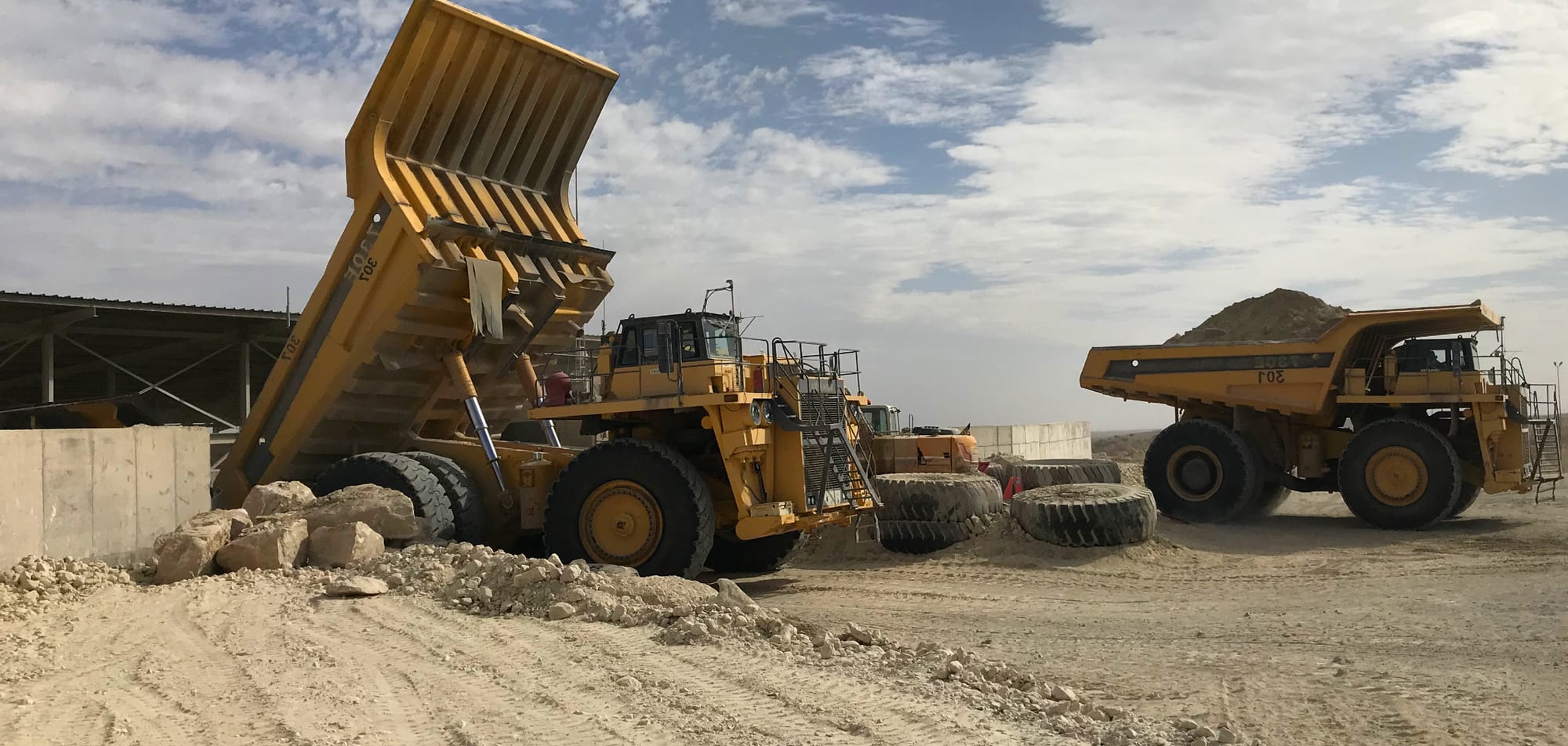
Per hour is the only honest unit off-road
On-highway fleets think in miles per gallon. A haul truck, a genset, or a locomotive does its work in place or in cycles, so cost per operating hour is the real metric: fuel per hour, maintenance per hour, availability per hour. Fuel is usually the largest controllable line inside it.
The part of the hourly burn you control
Grade and payload are the mine plan's business. Combustion is yours. An engine running above its EPA-certified combustion target burns extra fuel on every single operating hour, and on engines this size the waste is measured in gallons per hour, not drops. In EBM™ mining field work, tested fleets have shown zero OEM fault codes while carrying engines identified up to 16% above their engine-approved target; initial repairs across one tested fleet returned a 5.2% fuel saving, verified against the same targets.
What does it cost to run a haul truck per hour?
Fuel is typically the largest controllable component, plus maintenance, tires, and operator cost. Multiply your logged burn rate by operating hours and your delivered fuel price for the fuel line; your site's numbers beat any benchmark.
Can I reduce haul truck fuel burn without changing the mine plan?
Yes: keep combustion on target. Engines off their certified target waste fuel on every hour at every payload. Measuring the fleet finds which units are off.
Based on 3,000+ diagnostic tests analyzed on the platform.
© 2026 Emissions-Based Maintenance LLC, d/b/a Revealiency. All rights reserved.